Figure Scales Humanoid Manufacturing 24x - From 1 Robot a Day to 1 an Hour
0:00 / 0:59
News
Figure Scales Humanoid Manufacturing 24x - From 1 Robot a Day to 1 an Hour
calendar_today Date:
schedule Duration: 0:59
visibility Views: 276
database
Summary Report
Figure says it scaled humanoid manufacturing 24x in 120 days, going from one F.03 a day to one an hour, with 55 robots leaving BotQ this week.
- 01. Figure has scaled F.03 humanoid robot manufacturing 24x in the last 120 days, from one per day to one per hour.
- 02. The company will produce 55 humanoid robots this week and has delivered over 350 F.03 units to date.
- 03. BotQ's battery lines are hitting 99.3 percent first-pass yield with over 9,000 actuators shipped across 10+ SKUs.
- 04. The facility runs on Figure's custom manufacturing execution software across 150 networked workstations.
- 05. Initial capacity targets 12,000 units a year, with a long-term goal of 50,000 a year and 100,000 in four years.
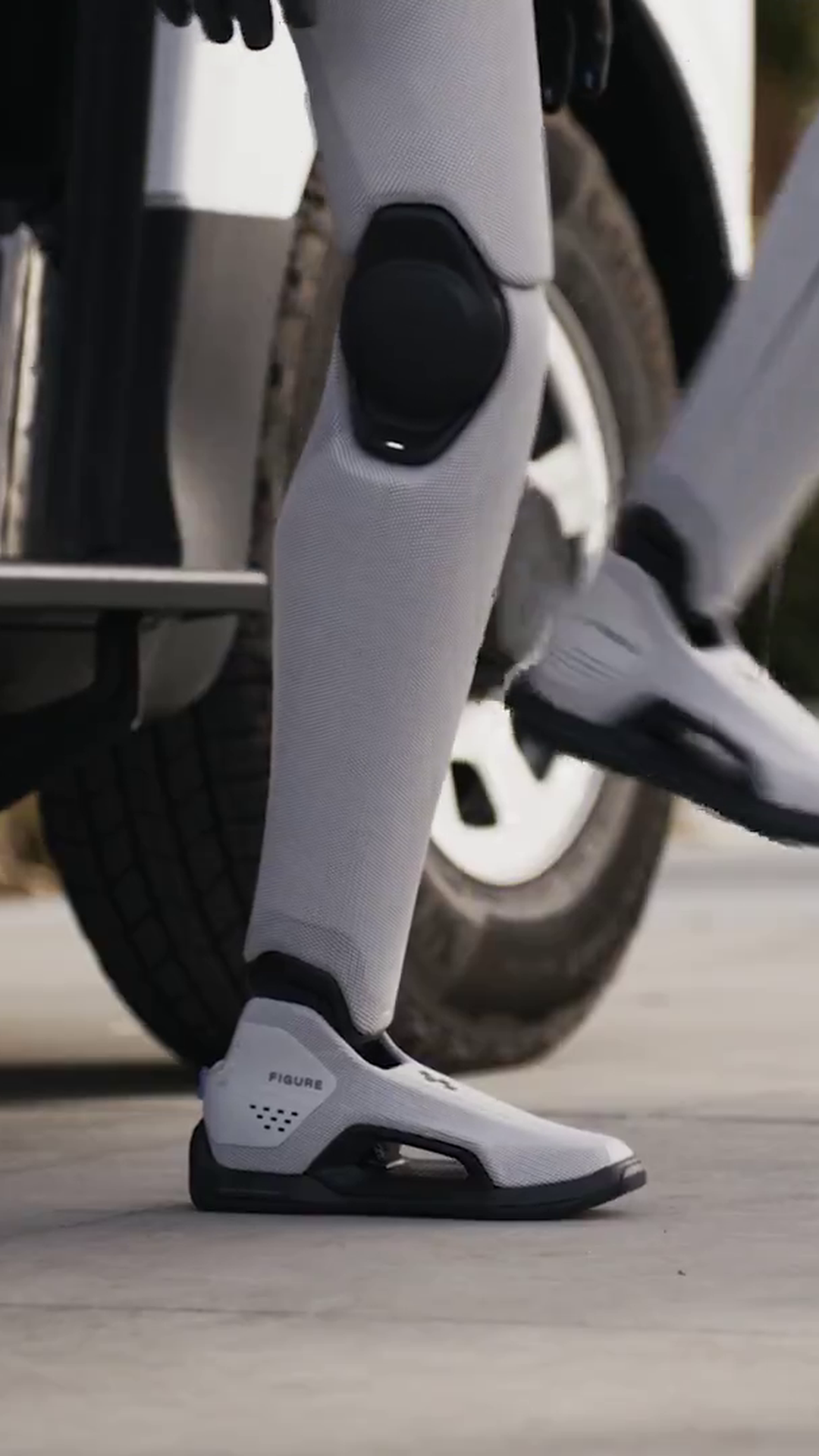
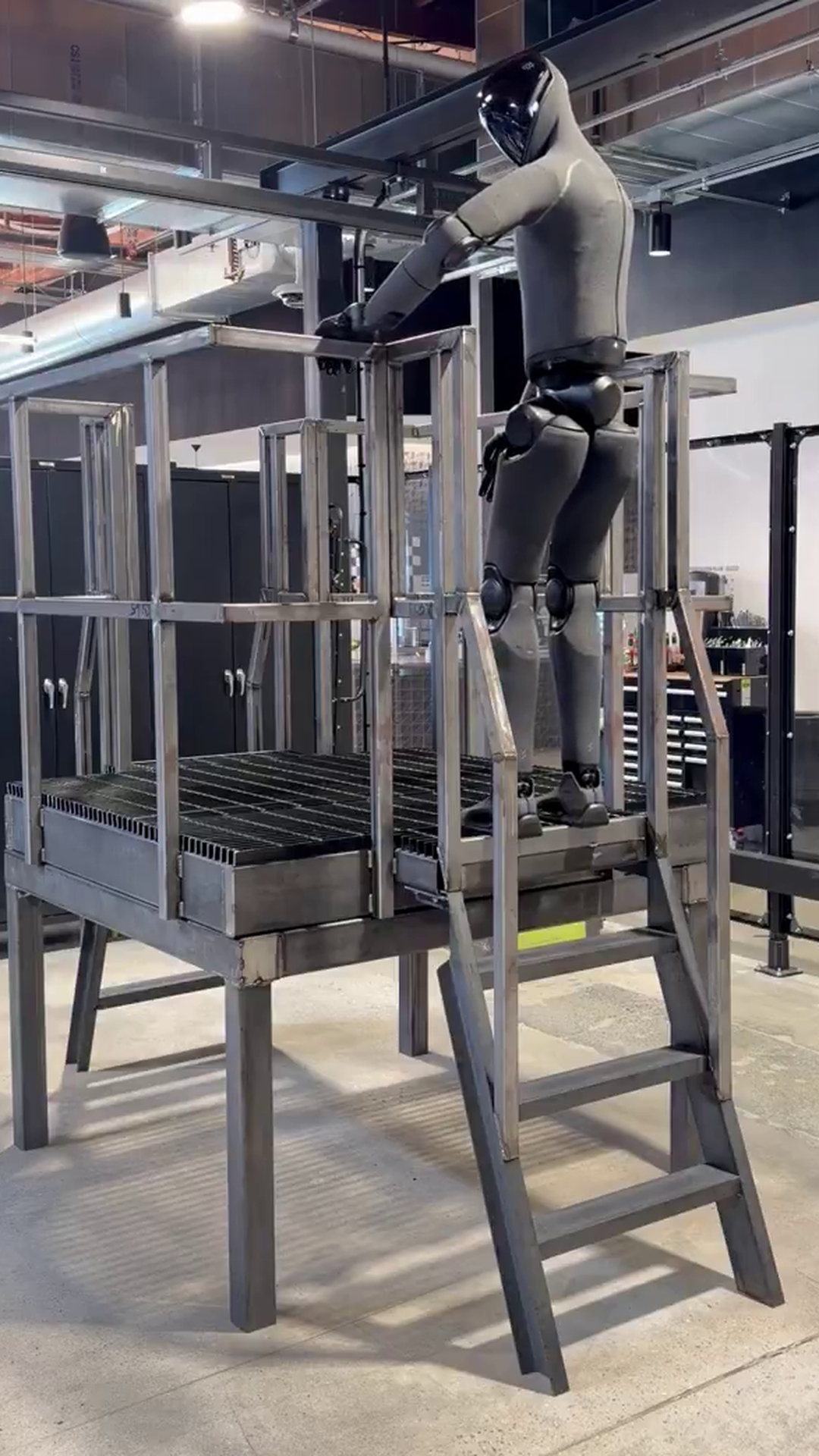
Figure has achieved a significant manufacturing milestone, scaling its humanoid robot production by 24 times over the past 120 days. The company's BotQ facility now produces one F.03 humanoid robot per hour, up from one per day, with 55 robots completed this week alone.
The third-generation F.03 humanoid represents Figure's push into high-volume manufacturing. Brett Adcock's team has delivered over 350 units to date, with ambitious targets of 12,000 robots annually in the near term and 50,000 in the longer term. The BotQ plant operates on Figure's proprietary execution software across 150 networked workstations.
The manufacturing metrics demonstrate genuine industrial capability rather than prototype-level production. Battery production lines achieve 99.3% first-pass yield, whilst end-of-line yield exceeds 80%. The facility has shipped over 9,000 actuators across more than 10 different product variants, indicating a maturing supply chain.
This production ramp addresses what has historically been the Achilles' heel of robotics companies attempting humanoid manufacturing at scale. Whilst questions remain about the practical utility of these robots in real-world applications, Figure appears to have cracked the manufacturing challenge that has previously stymied the industry. The transition from demonstration units to factory-scale production represents a crucial inflection point for humanoid robotics commercialisation.