Kling AI Turns On 4K Mode for Video 3.0 - One Click, Cinema-Grade Output
0:00 / 0:53
News
Kling AI Turns On 4K Mode for Video 3.0 - One Click, Cinema-Grade Output
calendar_today Date:
schedule Duration: 0:53
visibility Views: 470
database
Summary Report
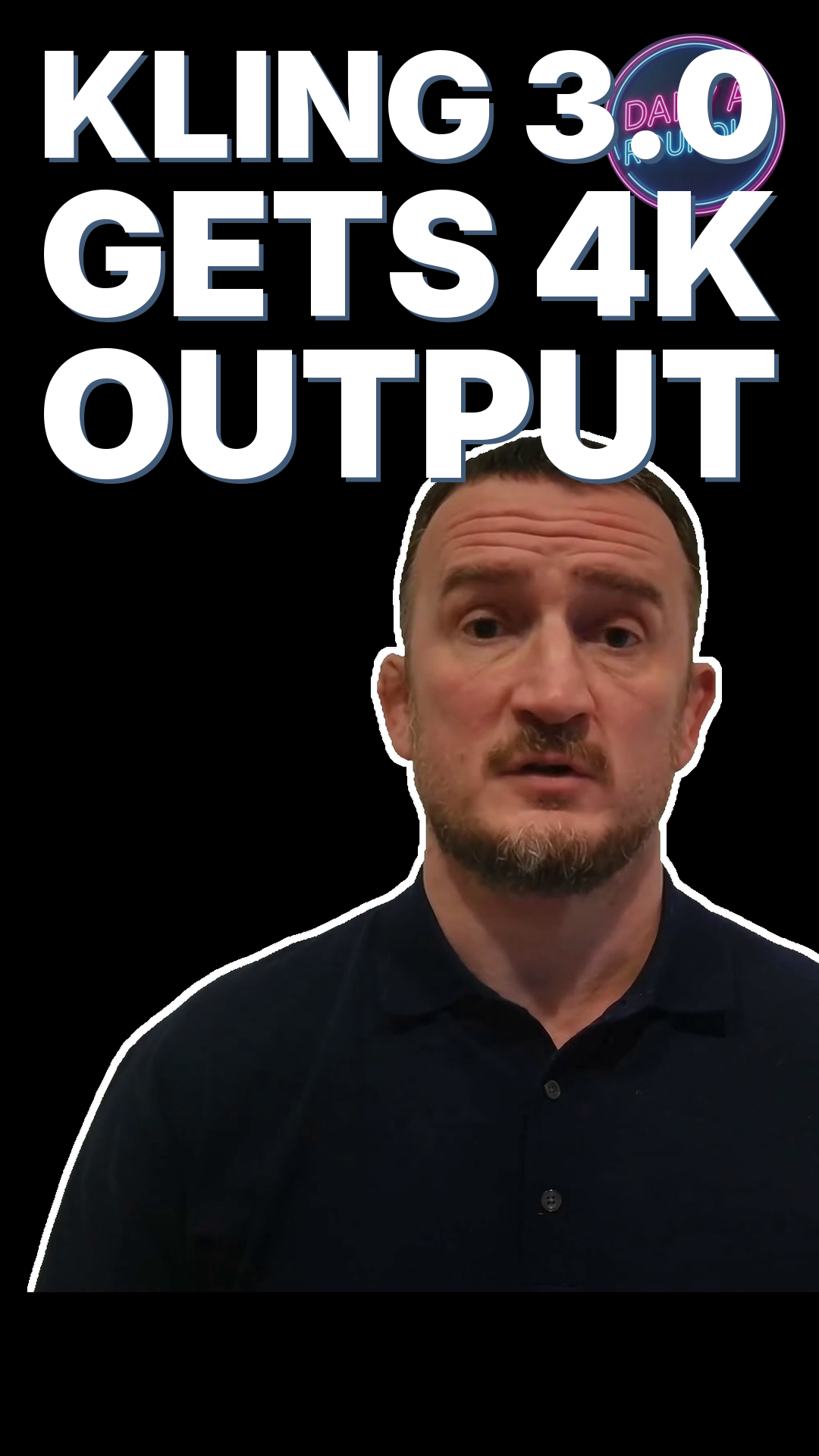
Kling AI has rolled out 4K Mode across its Video 3.0 series, letting subscribers generate native 4K clips in one click, with a 20% discount running until May 7.
- 01. Kling's Video 3.0 series now supports one-click 4K generation for all paid tiers.
- 02. The 3.0 models launched in February with native 4K as a headline capability.
- 03. Kling claims stronger consistency across subjects, text, style, and lighting.
- 04. 4K generations are 20% off for subscribers and team plans until 7 May.
- 05. Kuaishou is targeting the high-end studio market against Runway, Luma, and Sora.
Kling AI has enabled 4K mode across its Video 3.0 series, allowing all paid subscribers to generate cinema-quality video clips with a single click. The Chinese video generation model from Kuaishou originally launched the 3.0 series in February with native 4K as a flagship feature, but has now made this capability available across all paid tiers.
The company is positioning this as production-grade output, emphasising improved consistency in subjects, text, style, and lighting. These quality improvements become crucial at 4K resolution, where motion artefacts that might go unnoticed at 1080p become clearly visible on larger screens. Kling is offering a 20% discount on 4K generations through 7 May to encourage adoption.
The move represents a competitive challenge in the high-end video generation market. While companies like Runway, Luma, and OpenAI's Sora are targeting similar studio-quality applications, few offer native 4K at Kling's pricing level. The one-click 4K generation particularly appeals to content creators working under tight deadlines.
This development reflects the rapidly rising quality standards in AI video generation, where the technical ceiling continues to advance. As AI video tools mature, the gap between generated content and traditional production methods continues to narrow, potentially disrupting established workflows in creative industries.