OpenAI's Agents Now Do Three Days Of Research For Every Human Day
0:00 / 3:13
Chapters
Sources
DAILY ROUNDUP
OpenAI's Agents Now Do Three Days Of Research For Every Human Day
calendar_today Date:
schedule Duration: 3:13
visibility 116 Views
OpenAI's agents now do three workdays of research per human workday, NVIDIA's Sol-H3 makes MiniMax-H3 generate video faster than playback, Hypershell unveils the Halo exoskeleton, and Unitree shows autonomous humanoid combat.
- 01. By mid-August, OpenAI agents did 3.1 workdays per human workday across its research org, with the median researcher using over $600 of inference a day; the automated research intern milestone is met
- 02. Sol-H3 generates five seconds of MiniMax-H3 video in about 1.65 seconds on an 8-GPU Blackwell B300 system, fully open-sourced and available via the Reactor API
- 03. Hypershell Halo coordinates four powered hip and knee joints, 1,490W peak from a 2.6kg frame, with HyperIntuition 2.0 anticipating movement 200ms ahead; $2,299, shipping November 2027
- 04. Unitree's UnifoLM-X2-1.0 world model predicts and plans physical exchanges in real time for fully autonomous humanoid combat
Today's AI news: OpenAI has published internal data showing its coding agents now do just over three workdays of research for every human workday, and says it has hit its automated research intern milestone, with Greg Brockman declaring the AGI era. NVIDIA's Sol team released Sol-H3, making MiniMax-H3 generate video faster than playback. Hypershell unveiled Halo, a full-leg exoskeleton driven by a mixture-of-experts motion model. And Unitree claims the first fully autonomous humanoid robot combat, driven by a real-time world model.
Chapters:
0:00 Today's AI News
0:22 OpenAI Research Intern
1:05 MiniMax Sol-H3
1:47 Hypershell Halo
2:31 Unitree Robot Combat
Blend Roundup 2026-09-07
https://x.com/kliu128/status/2096616468851097811
https://x.com/gdb/status/2096721633876771094
https://x.com/BorisMPower/status/2096636824148181334
https://x.com/MiniMax_AI/status/2097006566696444363
https://x.com/HypershellTech/status/2096312659725398340
https://x.com/HypershellTech/status/2096622616169554383
https://x.com/UnitreeRobotics/status/2096932273602048258
OpenAI data shows that internal agents now do three days of research for every human day: NVIDIA makes MiniMax-H3 generate video faster than playback, Hypershell's Halo is a full-leg exoskeleton, and Unitree's humanoids fight with nobody at the controls. Here's today's AI news.
OpenAI has published internal data on how much of its research its own agents now do, and says it's hit the milestone it set last autumn: an automated research intern, able to finish tasks a skilled human would need days for. By mid-August, agents were doing just over three workdays for every human workday across the research organisation, and the median researcher was using them daily, burning through more than six hundred dollars of inference a day at API prices. Kevin Liu says recursive self-improvement could be the biggest driver of capabilities over the next few years, and by default only a handful of labs would ever see it. And meanwhile, Greg Brockman has casually claimed that we're now moving into the AGI era.
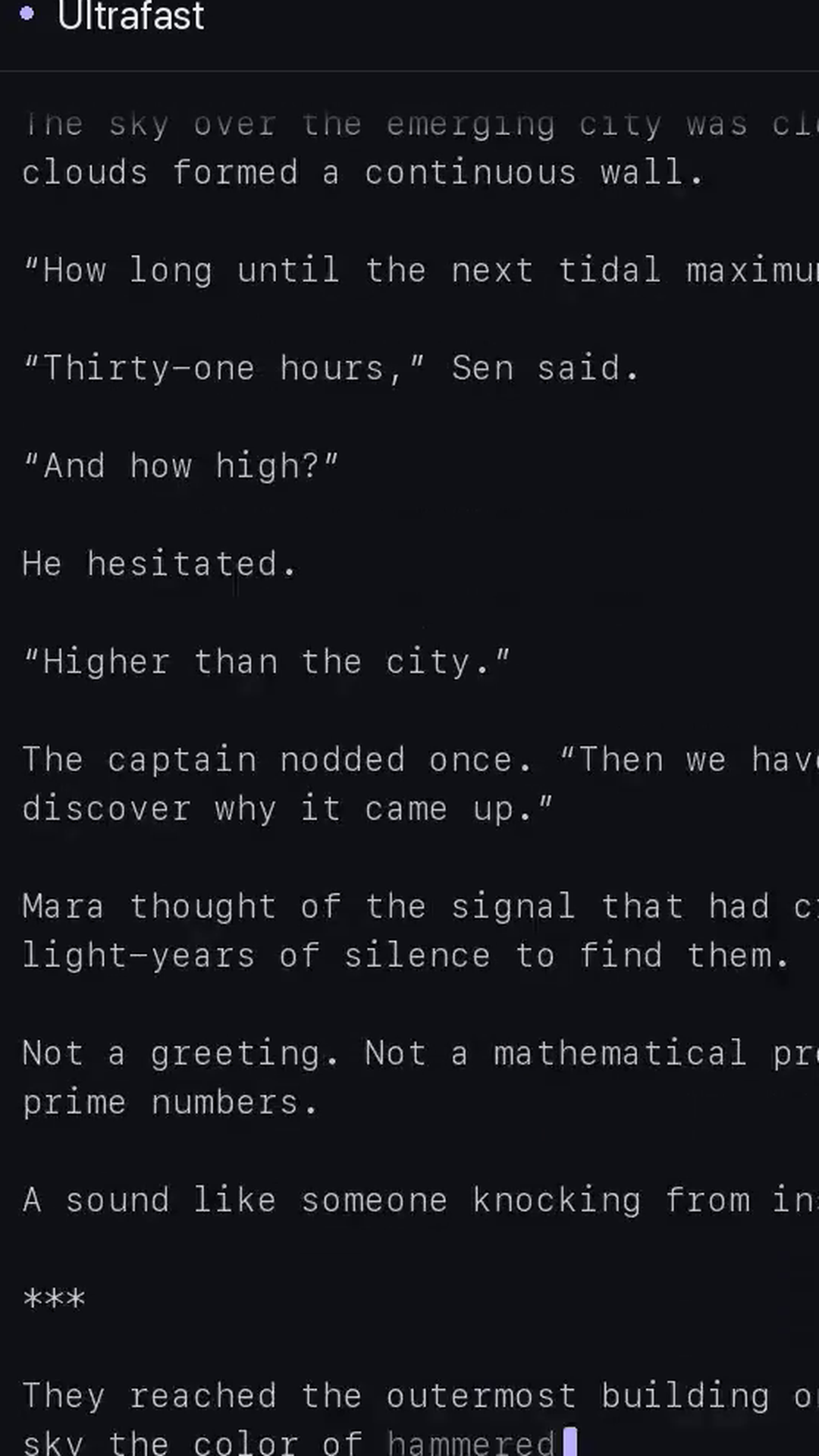
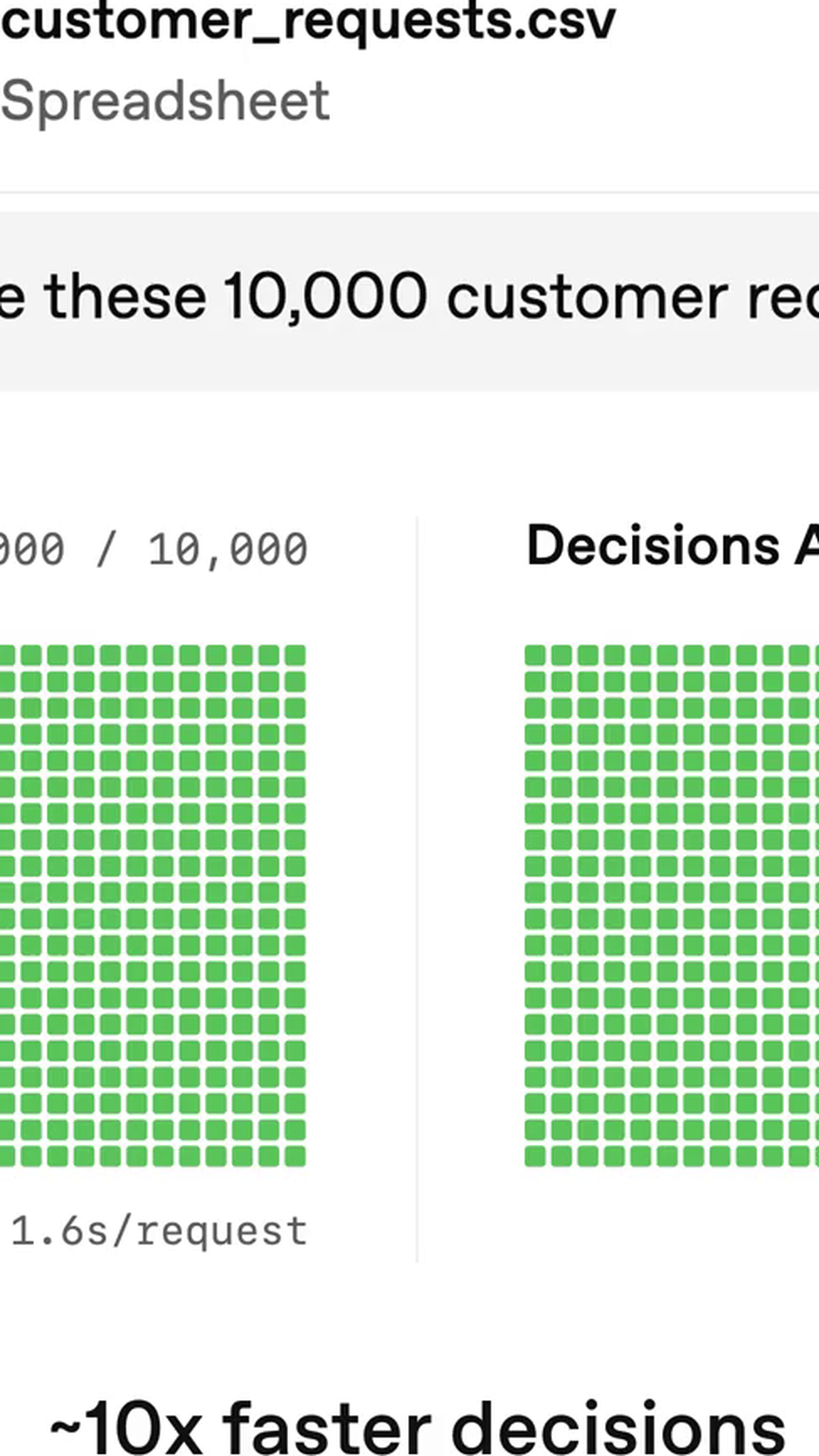
NVIDIA's Sol team has released Sol-H3, an open-source inference stack that makes MiniMax's H3 video model generate faster than playback: five seconds of high resolution video in about 1.65 seconds, on a single eight-GPU Blackwell B300 system. H3 itself is MiniMax's open omni-modal model that takes text, images, video and audio in one context and returns clips up to 2K at twenty four frames a second. The whole stack is open-sourced and it's available through the Reactor API: so you can try it before committing your own GPUs. Real-time video generation is no longer a demo, it's now a real product ready to be used.
Hypershell has unveiled Halo, a full-leg exoskeleton and the first to drive four powered hip and knee joints as one coordinated system. Four motors deliver nearly fifteen hundred watts of peak assistance from a frame weighing two point six kilos, with a twelve mile range. The control side is the interesting bit: HyperIntuition 2.0 is a mixture-of-experts model - several specialised networks reasoning together over thirty-plus sensors and trained on ten thousand hours of motion data. It anticipates what you're about to do around two hundred milliseconds early and adjusts twenty five hundred times a second. It's two thousand two hundred and ninety nine dollars on pre-order. Shipping is November 2027, so pace yourself.
Unitree says it has achieved the world's first fully autonomous humanoid robot combat system, driven by a real-time world model called UnifoLM-X2-1.0. Rather than following scripted moves or a remote operator, the robot predicts how a physical exchange will unfold and plans its next move on the fly. In Unitree's words it's "real-time prediction, planning and decision-making, in a highly dynamic, highly interactive setting". It's the production evolution of the world-model framework Unitree open-sourced last September, and the demo shows a humanoid trading blows on the pads with a trainer and nobody at the controls. Robots fighting autonomously was always going to arrive: but it's still strange, and anxiety inducing to watch it.
Meta Data
Company:
Model: